Natural Treatments vs. Medications: What’s Better?
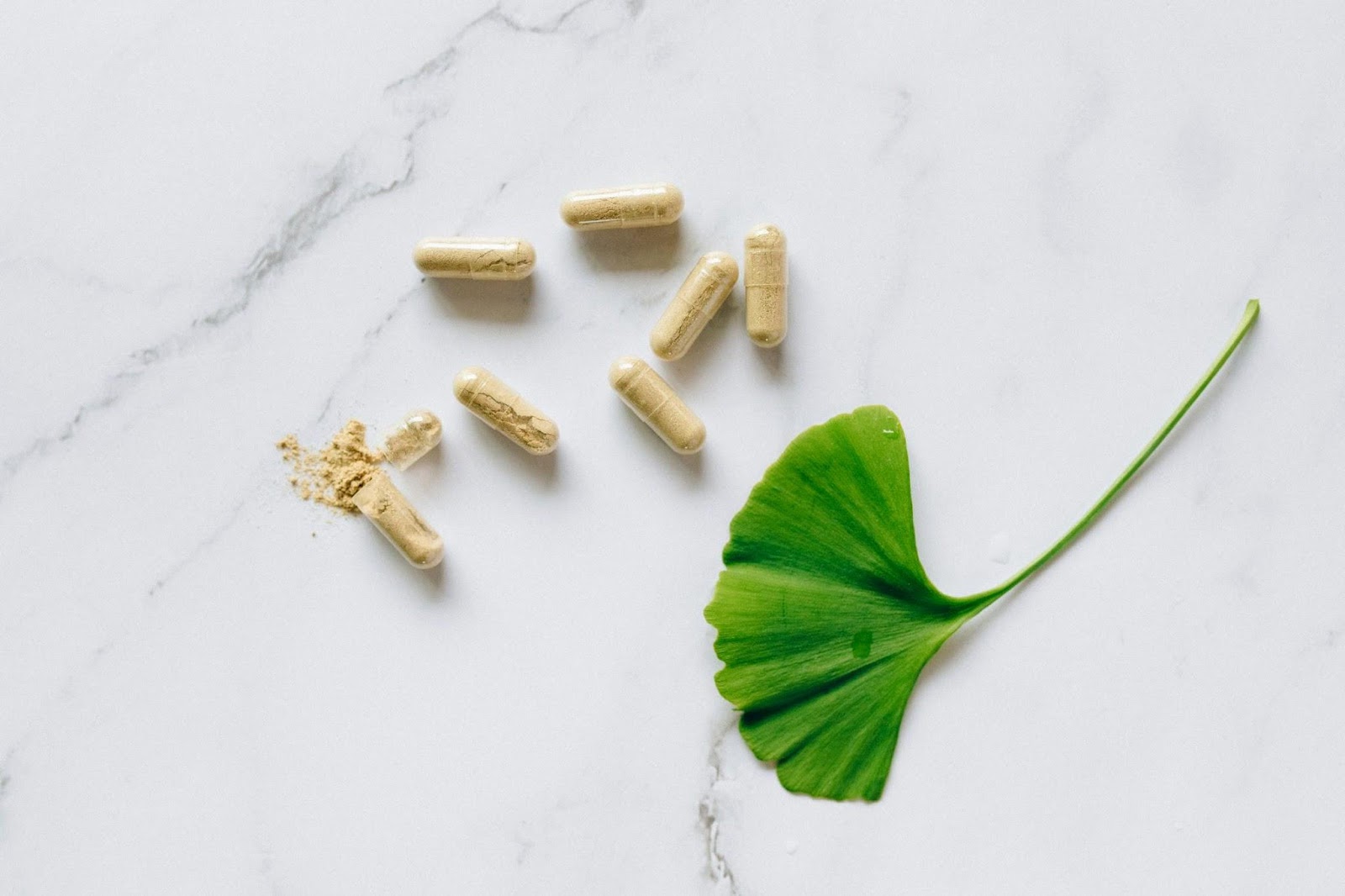
In an era where health and wellness are at the forefront of societal consciousness, the debate surrounding natural treatments vs. medications has gained significant traction. As individuals become more aware of the implications of pharmaceutical interventions, many are exploring alternative therapies. But which approach is more effective? Let’s delve into the nuances of these two treatment paradigms, examining their merits and drawbacks, to ultimately answer the question: what’s better for health?
Understanding Natural Treatments
Natural treatments encompass a wide array of therapies derived from plants, herbs, and other organic sources. These may include herbal remedies, dietary supplements, acupuncture, yoga, and homeopathy. Advocates of natural treatments often tout their holistic approach, emphasizing not just the alleviation of symptoms but also the promotion of overall wellness.
One of the primary appeals of natural therapies is their perceived safety. Many individuals gravitate toward these options, believing they pose fewer side effects than conventional medications. Additionally, the growing body of research highlighting the effectiveness of certain herbal remedies, such as turmeric for inflammation and ginger for digestive issues, adds to the credibility of natural treatments.
However, the efficacy of natural treatments can vary greatly. The lack of standardization in formulation and dosing can lead to inconsistencies. Furthermore, while many natural products boast a long history of traditional use, scientific evidence supporting their effectiveness may be limited. This often leaves patients navigating a complex landscape of anecdotal experiences versus empirical data.
The Role of Medications
On the other side of the spectrum lies conventional medicine, characterized by pharmaceutical treatments. These medications are rigorously tested for safety and efficacy through clinical trials before they become available to the public. This thorough vetting process offers a level of assurance that is often not present in natural treatments.
Medications are typically formulated to target specific conditions or symptoms. For instance, antibiotics effectively combat bacterial infections, while antidepressants can help manage mood disorders. For many acute conditions, such as infections, injuries, or serious diseases, medications provide a critical, often life-saving intervention.
Nevertheless, pharmaceutical treatments are not without their drawbacks. Common concerns include side effects, dependency, and the potential for long-term health issues stemming from prolonged use. Additionally, medications can sometimes mask symptoms rather than addressing the underlying causes of health problems. This aspect has led to increasing scrutiny of the pharmaceutical industry and calls for more integrative approaches to health.
Comparing Treatment Options
When considering natural vs. pharmaceutical treatments, it’s essential to evaluate specific health conditions and individual circumstances. For chronic conditions, such as anxiety or arthritis, a combination of both treatment paradigms may yield the best results. For example, a patient might find relief through yoga and meditation (natural treatments) while also utilizing prescribed anti-inflammatory medications when flare-ups occur.
Moreover, the choice between natural treatments and medications can depend on personal preferences, cultural beliefs, and access to healthcare resources. Some individuals may have a strong inclination toward herbal remedies due to familial traditions, while others may prioritize the empirical foundation of modern medicine.
It’s also worth noting that the increasing popularity of integrative health models is reshaping how treatments are perceived. These models encourage a more holistic view of patient care, blending the strengths of both approaches to optimize health outcomes. This integration fosters a comprehensive strategy that addresses the physical, emotional, and spiritual dimensions of health.
Safety and Regulation
A critical aspect of this debate revolves around safety and regulation. While medications undergo strict regulatory scrutiny, natural treatments often operate in a more loosely regulated environment. This disparity can lead to concerns about contamination, mislabeling, or ineffective formulations in the realm of natural remedies.
For instance, supplements may not always contain the advertised ingredients, and dosages can vary significantly between brands. As a result, consumers are urged to conduct thorough research, seek reputable sources, and consult healthcare professionals before embarking on any treatment plan.
Conclusion: The Path Forward
Ultimately, the question of what’s better for health does not lend itself to a one-size-fits-all answer. Both natural treatments vs. medications have their unique benefits and challenges. It’s vital to consider the specific health issue at hand, individual preferences, and the overall context of one’s health journey.
For many, a synergistic approach that incorporates both natural remedies and pharmaceutical interventions may provide the most comprehensive path to wellness. By recognizing the value of both treatment paradigms, individuals can make informed decisions that align with their health goals and lifestyle.
In this dynamic landscape of health and wellness, ongoing dialogue and exploration are essential. By remaining open to various treatment options and prioritizing informed decision-making, individuals can navigate their health journeys with confidence, ultimately enhancing their quality of life.