Dental Insurance Myths You Need to Stop Believing
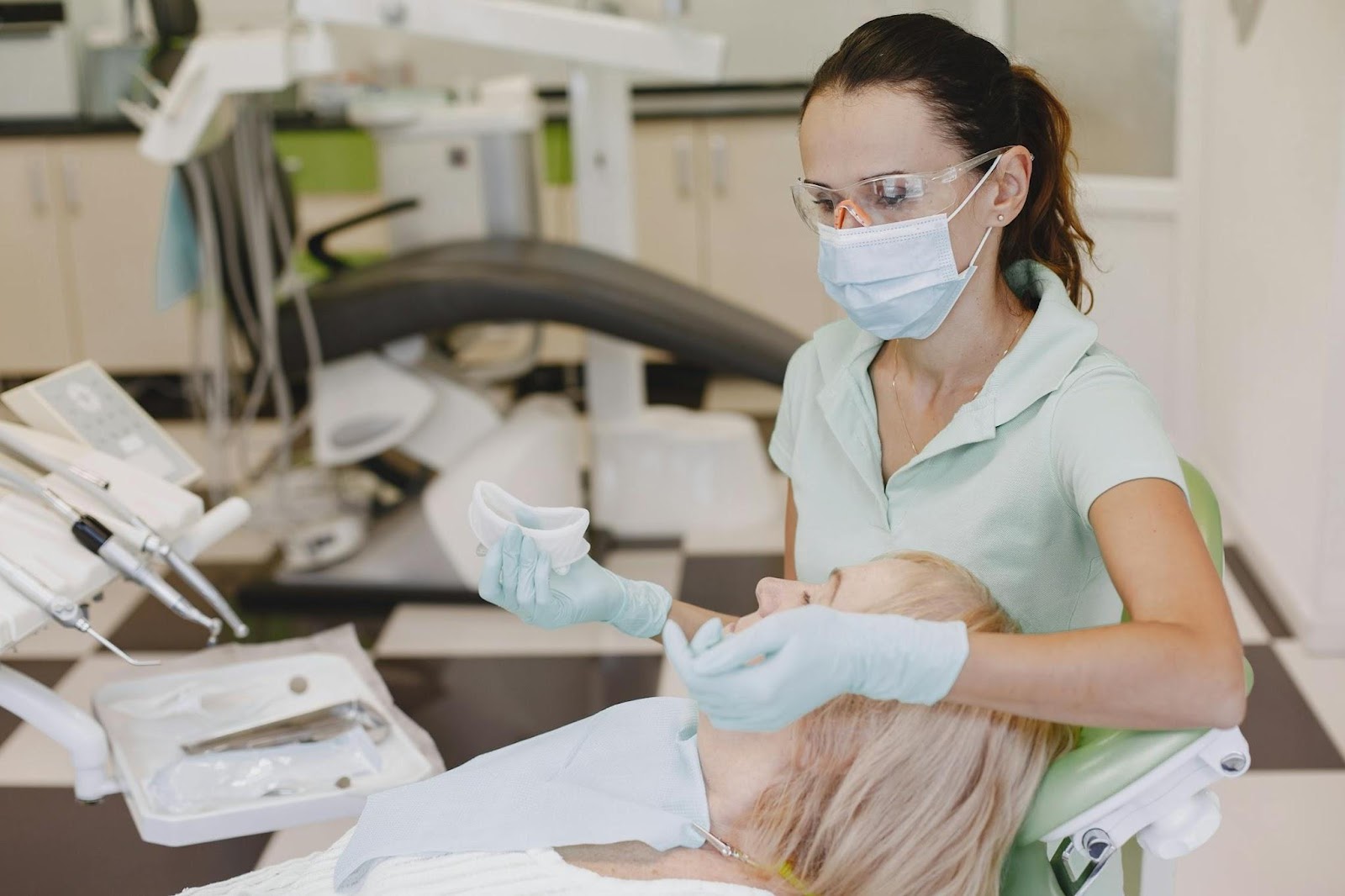
When it comes to dental insurance, misconceptions can lead to confusion and misinformed decisions. Many people hold on to dental insurance myths that can adversely affect their choices and, ultimately, their oral health. Understanding what’s fact and what’s fiction is crucial to navigating the complexities of dental coverage. Let’s debunk some of the most prevalent common dental insurance misconceptions so you can make informed decisions about your oral health.
Myth 1: Dental Insurance Covers Everything
One of the most pervasive myths about dental coverage is the belief that insurance will cover all dental expenses. While dental insurance can significantly reduce your out-of-pocket costs, it does not cover every procedure. Most plans categorize treatments into preventive, basic, and major services, with varying levels of coverage for each. Preventive care, such as regular cleanings and check-ups, is often fully covered. However, basic and major services, like fillings, crowns, or root canals, usually require co-payments or co-insurance.
It’s essential to review your policy to understand what is covered and what isn’t. This knowledge will help you budget for your dental care effectively and avoid any unpleasant surprises when you receive a bill.
Myth 2: You Don’t Need Dental Insurance If You Have Good Oral Health
Another misconception is that individuals with good oral health do not need dental insurance. This belief can be dangerous, as even those with the healthiest teeth can encounter unexpected dental issues. Dental emergencies, such as a chipped tooth or an abscess, can arise without warning and lead to significant expenses if you don’t have coverage.
Having dental insurance myths dispelled allows you to protect yourself against unforeseen circumstances. Even if you visit the dentist regularly and maintain good oral hygiene, dental insurance provides a safety net that can save you money in the long run.
Myth 3: All Dental Insurance Plans Are the Same
Many people assume that all dental insurance plans provide similar coverage and benefits. This is far from the truth! There is a wide variety of dental plans, each with its own structure, costs, and limitations. For instance, some plans have networks of dentists, while others allow you to visit any provider you choose. Some may cover orthodontic treatments, while others may not.
To stop believing dental myths, it’s vital to research various plans and compare their benefits. Evaluate what is most important for your dental care needs, and choose a plan that offers the right balance of coverage, cost, and flexibility.
Myth 4: You Can Only Get Dental Insurance Through Your Employer
Many people believe they can only obtain dental insurance through their employer, leading them to miss out on valuable options available to them. While employer-sponsored plans are common, they are not the only option. Individuals can purchase dental insurance directly from insurance companies or through health insurance exchanges.
In fact, many private dental plans offer a wider range of benefits and lower costs than employer-sponsored plans. If you’re self-employed or your employer doesn’t offer dental insurance, consider exploring individual plans. They may provide coverage tailored to your specific needs and preferences.
Myth 5: Dental Insurance is Too Expensive
Some individuals shy away from dental insurance because they believe it’s an unnecessary expense. While it’s true that some plans can be costly, it’s essential to consider the potential savings. Regular dental visits and preventive care can help identify issues before they escalate, which ultimately saves you money on more extensive treatments later.
Additionally, many plans offer affordable options that cater to a range of budgets. By taking the time to compare costs and coverage, you might find a plan that fits your financial situation without sacrificing the quality of care you receive.
Myth 6: You Can’t Use Dental Insurance for Cosmetic Procedures
Many people are under the impression that dental insurance will not cover any cosmetic procedures. While it’s accurate that most policies do not cover purely cosmetic treatments, some may offer coverage if the procedure also has a functional purpose. For example, teeth whitening is typically not covered, but if you require veneers for both aesthetic and structural reasons, your insurance may partially cover the cost.
Understanding the nuances of your policy is vital. If you are considering a procedure that straddles the line between cosmetic and restorative, be sure to consult with your dentist and review your insurance policy thoroughly.
Myth 7: Waiting Periods Mean You Can’t Get Care Right Away
Many dental insurance plans have waiting periods for specific services, leading people to believe they must forgo care until their coverage kicks in. While it’s true that some policies require you to wait for major procedures like crowns or orthodontics, most plans still cover preventive services immediately. This means that you can still receive routine check-ups and cleanings, which are essential for maintaining oral health.
By understanding the specifics of your policy, you can ensure that you continue to receive necessary care during any waiting periods.
Conclusion
Dispelling these dental insurance myths is crucial for making informed decisions about your oral health care. By understanding the realities of dental coverage, you can navigate the insurance landscape more effectively and ensure that you’re adequately protected.
Whether you’re seeking preventive care, managing unexpected dental issues, or considering cosmetic treatments, being well-informed will empower you to make the best choices for your oral health. Remember, dental insurance is designed to support you in achieving and maintaining optimal dental health, so don’t let misconceptions deter you from utilizing it effectively!