Are You Overpaying for Dental Insurance?
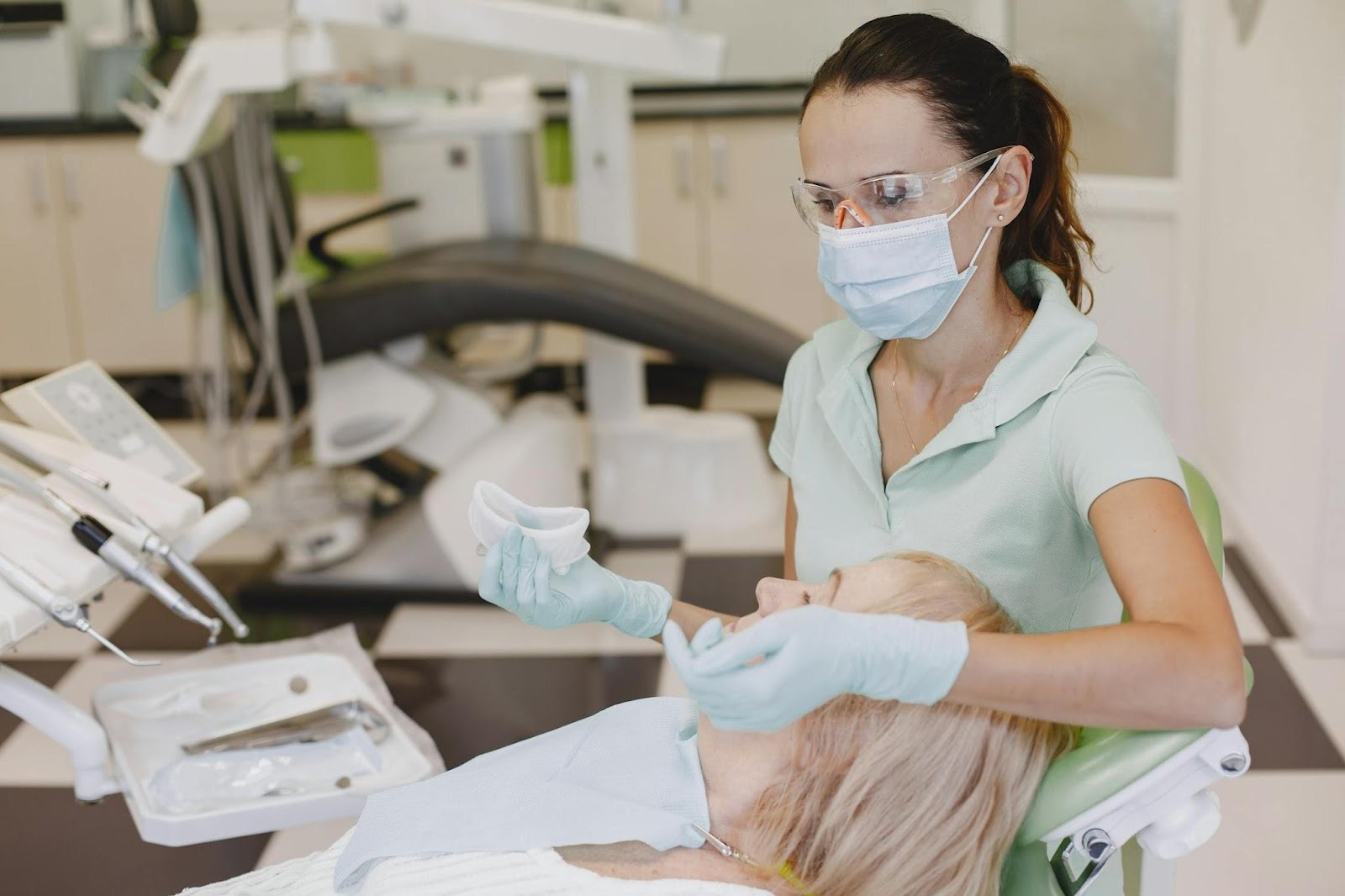
Dental insurance is often seen as a necessary expense, providing peace of mind for unexpected dental costs. However, it’s easy to overlook whether you’re paying too much for a plan that doesn’t fully meet your needs. The reality is, many people may be overpaying for dental insurance, especially if they’re not making full use of their benefits. Understanding the balance between cost and coverage is crucial to making sure you aren’t spending more than you should. So, let’s dive into how to assess whether you’re getting a fair deal.
1. Dental Insurance Cost Evaluation: The Basics
When evaluating your dental insurance, the first step is to conduct a thorough dental insurance cost evaluation. Start by looking at your premiums, which are typically paid monthly or annually. These fees can range widely, with many plans falling between $20 and $50 per month. While this might seem reasonable, it’s important to consider what those premiums actually cover.
Most dental plans are designed around a cost-sharing model, meaning that while routine checkups may be fully covered, other procedures like fillings, root canals, or crowns often require you to pay a percentage of the cost. Additionally, plans often have annual maximum limits, typically between $1,000 and $2,000. If you don’t anticipate using extensive services in a year, your coverage might be excessive for your actual needs.
If you’re not utilizing the full spectrum of your benefits, you might be overpaying for dental insurance. Reassessing whether your plan offers value relative to your dental health needs is a critical step in managing expenses.
2. Identifying If Your Insurance Is Too Expensive
One of the biggest signs that your insurance is too expensive is if you consistently pay for services out-of-pocket, even with coverage. For example, if your plan’s deductible is high or certain services (like orthodontics or cosmetic work) aren’t covered, you may find yourself shouldering the bulk of dental costs on your own. This is a red flag that your current plan might not be the most economical option.
Another important factor is the annual maximum limit. If you have good oral health and only require basic care like cleanings and occasional fillings, a high-cost plan with a high annual limit could be unnecessary. Conversely, if you regularly reach or exceed your coverage limit, you might need a plan that offers greater protection, though this often comes with increased premiums.
Comparing different dental plans is key to figuring out whether your insurance is too expensive for what you actually use. Many people are unaware of how much they could save by switching to a plan that better fits their health and financial needs.
3. Are You Getting Value for Your Money?
The ultimate question to ask when considering whether you’re overpaying for dental insurance is whether you’re getting value for your investment. It’s easy to assume that paying a higher premium equals better coverage, but this isn’t always the case.
Start by tracking how often you visit the dentist and what types of services you require. Do you just need preventive care like cleanings and X-rays, or do you have recurring dental issues that require frequent treatment? If your plan primarily covers preventive care, but you’re paying for a comprehensive plan with high premiums, you may be spending more than necessary.
Assess the coverage you receive for common procedures. For instance, basic procedures such as fillings or extractions should be covered at a reasonable rate, typically between 70% and 90%. If your plan doesn’t provide sufficient coverage for these treatments, or you’re paying substantial out-of-pocket costs, you may not be getting the value you expect.
4. Assessing Dental Coverage Costs: How to Make an Informed Choice
Once you’ve reviewed your plan’s costs and coverage, it’s time for assessing dental coverage costs to see if there are better options available. Look for plans that align more closely with your needs and don’t require you to pay for extras you won’t use. For example, if you’re not planning to get orthodontic work or cosmetic dentistry, a plan that includes those features may not be worth the extra expense.
Take time to shop around. Many people stick with their employer-provided plan without exploring the possibility of individual insurance, which can sometimes offer better rates and coverage. In many cases, dental discount plans—while not traditional insurance—can provide substantial savings for routine care and procedures, making them a worthwhile alternative.
The key to assessing dental coverage costs effectively is to weigh what you need against what you’re paying for. Make sure to read the fine print, compare the coverage of each plan, and calculate your annual costs, including premiums, deductibles, and co-pays. This analysis will help ensure you aren’t overpaying.
5. Saving Money While Staying Protected
If your evaluation reveals that you’re overpaying for dental insurance, you have options. One strategy is to switch to a lower-cost plan that still provides the coverage you need. Another option is to opt for a high-deductible plan, which generally has lower premiums but requires you to pay more out-of-pocket before coverage kicks in. This can work well for individuals with good oral health who don’t require frequent care.
Alternatively, consider joining a dental savings plan. These plans offer discounted rates for various services and can be more affordable than traditional insurance, especially for those who need minimal dental work.
Conclusion
Being proactive in evaluating your dental insurance is crucial to avoiding overpayment. By conducting a dental insurance cost evaluation, you can identify whether your insurance is too expensive and make adjustments that save you money without sacrificing essential coverage. Whether you switch to a lower-cost plan, adjust your coverage, or explore alternative options, knowing exactly what you’re paying for ensures that you’re making an informed, financially sound decision. Ultimately, regular assessment of your plan can help ensure you’re not just protecting your smile but also your wallet.